
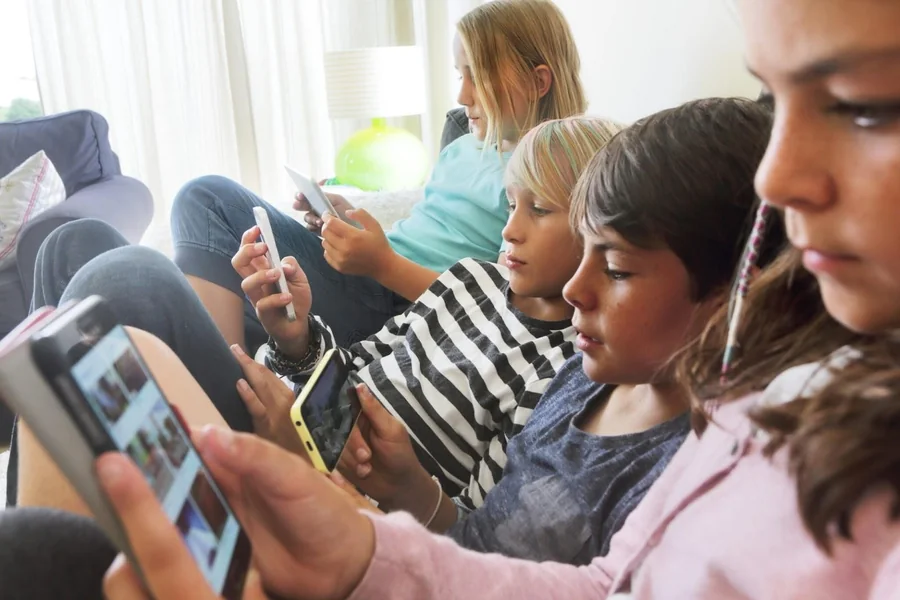
Children who love to ask “why” are already halfway to becoming problem solvers. The digital world, overflowing with quick entertainment, often forgets the quiet brilliance of a good riddle. Riddles train the mind to pause, twist ideas around, and look from another angle. And today, there are blogs built entirely around that — virtual playgrounds where curiosity rules and logic dances with imagination.
Why Riddle Blogs Matter
A riddle blog might sound old-fashioned, but numbers say otherwise. According to a 2023 report on educational media trends, over 48% of parents said their children preferred puzzle-based learning activities online over video content. That’s no accident. When a riddle challenges the brain, it rewards it too. Dopamine flows, connections form, and creative reasoning improves. These blogs keep young minds active — not scrolling endlessly but solving.
They also help students indirectly build future-ready skills: pattern recognition, creative reasoning, and strategic patience. Those are the same skills used later in life for financial planning for moving abroad or mastering new systems in financial planning for global living — though that may sound distant to a child now, the foundation begins in early curiosity.
Staying Smart and Safe While Learning Online
Exploring the web should be as safe as it is stimulating. Many riddle blogs include discussion forums or comment sections where kids exchange answers and hints. That’s wonderful for community learning—but it opens the door to the same online risks faced everywhere else. Here, privacy tools like VPN apps can quietly step in. When browsing global puzzle websites, a VeePN VPN can protect young users’ data, help bypass region-locked educational content, and prevent targeted ads based on browsing patterns. The increased demand for VeePN is a direct consequence of the realization that our data is truly valuable and must be protected.
A parent or teacher doesn’t need to explain encryption protocols to a child, of course. But ensuring their session is encrypted can mean the difference between safe discovery and digital exposure. A good VPN keeps exploration secure — without slowing the fun.
The Most Inspiring Riddle Blogs for Young Minds
- The Riddle Room Online – A mix of traditional brain teasers and interactive logic puzzles, often themed around animals, school subjects, or adventure stories. It offers difficulty levels and hints, making it perfect for family puzzle nights.
- MindFizz – A colorful, gamified blog that combines riddles with mini-games and real-world challenges. Kids can earn digital badges for creative answers. Teachers often use it to encourage teamwork in online classrooms.
- Riddleland Chronicles – This site publishes short mystery tales that end with an open question. Readers must figure out the hidden clue before the next story drops. It builds critical thinking and reading comprehension at once.
- Puzzle Bloom – Known for its nature-themed riddles and interactive quizzes, Puzzle Bloom attracts eco-curious children. It’s part learning, part storytelling, part brain workout.
- ThinkerTots – Focused on ages 6 to 10, it uses visuals and simple metaphors. Parents can subscribe to weekly “riddle drops” by email, promoting consistent engagement without screen overload.
These spaces nurture what educators call “active cognition.” The mind is not consuming but producing — testing, comparing, hypothesizing.
Keeping Curiosity Global
The beauty of the internet is how easily it connects curious minds. A riddle written in Japan might inspire a child in Canada. A logic puzzle from South Africa might spark a math discussion in France. Yet, not all content is globally available. Some blogs restrict access by location or licensing. Here again, a VPN app or Chrome VPN helps by allowing families to access educational content that might be otherwise region-locked. It’s a small tool with large reach — a digital passport for learning.
From Puzzles to Planning: The Real-World Impact
It might seem like a stretch — how could riddles prepare children for something as complex as investment migration tips or international finance? But beneath the surface, it’s all connected. Solving a riddle requires identifying patterns, eliminating bias, and predicting outcomes — the same mental moves required in budgeting, forecasting, or navigating global markets.
Educational psychologists often describe this as “transferable cognitive flexibility.” A child who learns to think through problems today becomes an adult who can manage global living plans tomorrow. It’s not about the riddle itself; it’s about how the brain learns to think because of it.
Encouraging Consistency and Creativity
Parents can use riddle blogs as small, daily rituals. Ten minutes a day can improve problem-solving speed and language comprehension. Studies from child development institutes show that regular puzzle solving improves abstract reasoning by up to 32% within six months. That’s measurable growth — and it feels like play.
To keep interest high, rotate between different types of challenges:
- Word riddles strengthen linguistic skills.
- Logic puzzles boost reasoning and sequencing.
- Visual riddles engage spatial intelligence.
Each one contributes to a balanced mental workout.
Final Thoughts: Smart Fun, Real Growth
In a time when many online spaces focus on instant gratification, riddle blogs offer a slower, deeper kind of joy. They remind young thinkers that patience, persistence, and curiosity are worth more than a quick swipe. Whether a child dreams of solving mysteries or managing a global business one day, thinking critically is their first passport.
And perhaps, one day, when that child grows up and plans their life across borders — applying lessons of strategy, caution, and creative reasoning to financial planning for global living — they’ll remember the puzzles that started it all. Smart fun today can shape intelligent decisions tomorrow.