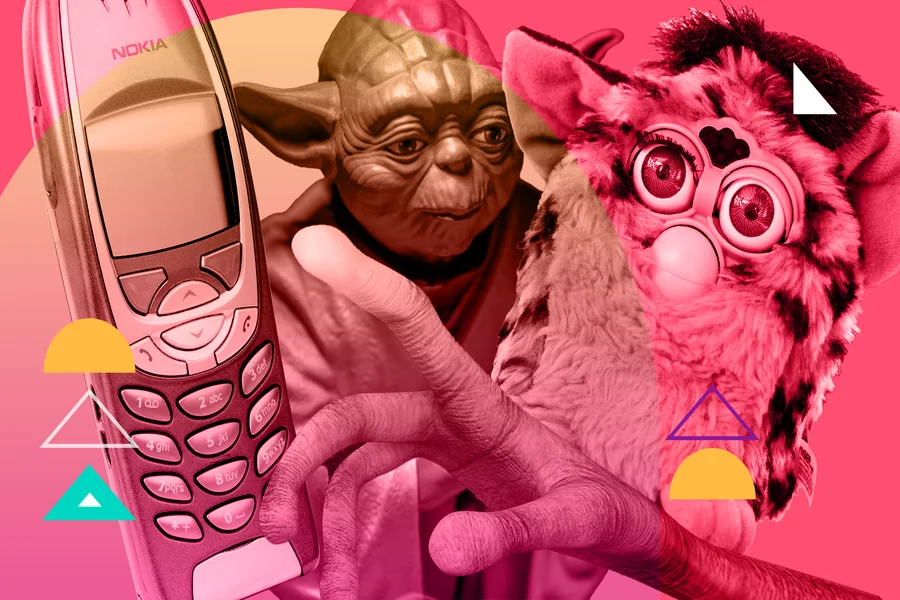
In the movie Inside Out, Pixar popularized the concept of a “Core Memory”—a specific, potent moment that defines personality and shapes how we view the world.
For brands, this concept is not just a plot device; it is a communication strategy.
We live in an era of “The New.” New technology, new platforms, new crises. The relentless pace of modern life creates a low-level hum of anxiety for consumers. In this environment, the past becomes a sanctuary. This is the driving force behind “Nostalgia Marketing”—the strategic use of a brand’s history to trigger positive, emotional associations in the present.
For Public Relations professionals, the archives are not just a storage room for old press clippings. They are a treasure chest of emotional equity waiting to be unlocked.
The Psychology of the Rewind
Why does nostalgia work so effectively in PR? Because trust takes time to build, and nostalgia is a shortcut to trust.
When a consumer sees a brand utilizing imagery, sounds, or products from their childhood or a “simpler time,” it triggers a dopamine release. It signals stability. If a brand has been around long enough to be part of your childhood memories, it has survived the test of time. It feels safe.
However, executing a nostalgia campaign is not as simple as posting a “Throwback Thursday” photo on Instagram. It requires a deliberate strategy to transform a passive memory into an active engagement tool. It requires turning a “fun memory” into a home for your brand’s current narrative.
Mining the Archives for Gold
The first step is curation. Not every part of a brand’s history is worth reviving. The goal is to find the intersection between “what we did then” and “what people value now.”
This process requires a forensic audit of your brand assets. You are looking for the jingles that got stuck in people’s heads, the packaging that sat on their grandmother’s table, or the old tagline that became a cultural idiom. These are not just assets; they are shared cultural experiences.
This is where expert guidance is often crucial to separate the mundane from the magical. For instance, a heritage brand might engage a public relations agency Singapore leaders trust to sift through decades of local history and identify which cultural touchpoints still resonate with the modern national identity. In diverse markets, knowing which memories unify an audience and which might alienate them is a delicate, high-stakes skill.
The goal is to find the “glimmer”—the specific detail that makes an audience say, “I remember that, and I miss how I felt when I used it.”
The Remix Strategy: Vintage Feel, Modern Format
Once you have identified the core memory, you cannot simply re-release it in its original format. A grainy 1990s television commercial will not perform well on TikTok unless it is contextualized.
Successful nostalgia PR is about the “Remix.” It involves taking the vintage aesthetic and wrapping it in modern behaviors. It is Barbie releasing a movie that critiques her own history while celebrating it. It is a fast-food chain bringing back a discontinued 80s menu item but launching it via a Metaverse drop.
This is the difference between a museum exhibit and a viral campaign. An established communications agency understands that while the asset is vintage, the delivery system must be cutting-edge, optimized for vertical video, memes, and rapid shareability. The aesthetic should feel like 1999, but the user experience must feel like 2026.
Authenticity vs. “Stolen Valor”
A critical warning for PR teams: you cannot fake nostalgia.
If a startup founded three years ago tries to use 1980s retro aesthetics, it often feels like a costume. It is “stolen valor.” True nostalgia marketing works best for brands that actually lived through those eras and have the receipts to prove it.
However, younger brands can still play in this space by facilitating memories rather than claiming them. They can champion the “vibe” of an era or partner with legacy IPs (Intellectual Properties) that hold the emotional weight they lack.
Building a Home for the Future
Ultimately, the goal of digging into the past is to secure the future.
When you successfully turn a piece of brand history into a “Core Memory,” you are reminding your audience that you are not just a transaction. You are a companion. You have been there for the fun times, the growing pains, and the milestones.
Your brand history is a home. It has rooms filled with stories. Don’t keep the door locked. Open the archives, dust off the old albums, and invite your audience back inside to remember why they loved you in the first place.