
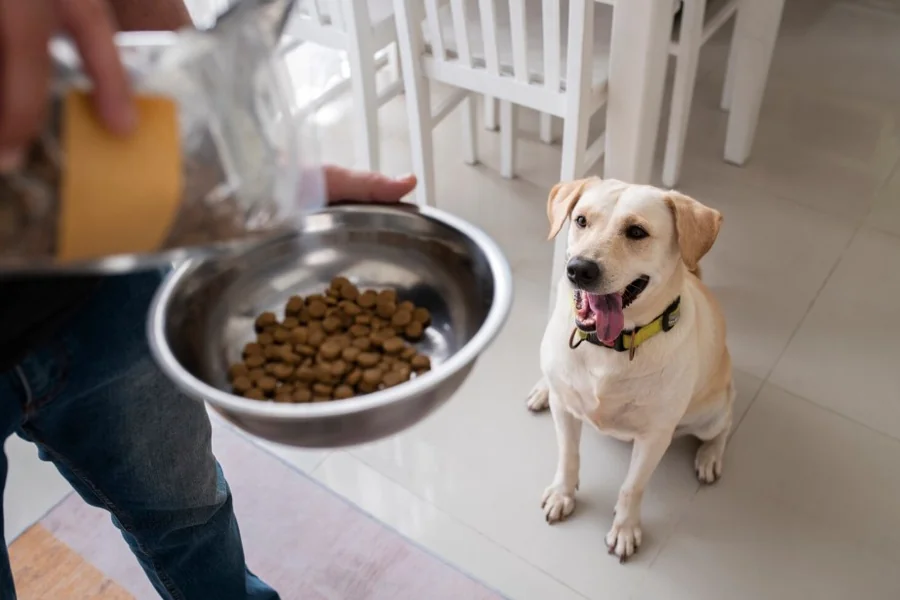
Planning dog meals isn’t just about what goes into the bowl. It’s about timing, consistency, and how feeding fits naturally into your everyday life at home.
When meals align with your routine, dogs tend to feel calmer, more settled, and better adjusted to daily rhythms.
Busy mornings, quiet afternoons, work schedules, and family time all shape how and when dogs eat. Instead of forcing meals into the day, it helps to design a feeding routine that flows naturally with how you already live.
With a little planning, mealtimes can become one of the easiest and most comforting parts of the day for both you and your dog.
This guide walks through simple, practical ways to plan dog meals that truly fit your daily routine.
Start by Understanding Your Daily Schedule
The best feeding routine begins with an honest look at your day. Dogs benefit from predictability, so meals should be timed around moments that stay fairly consistent.
Think about:
- When you wake up and wind down
- Work or school schedules
- Walk times and rest periods
Meals often work best when paired with daily anchors, such as morning walks or evening relaxation time. When feeding is connected to existing habits, it becomes easier to maintain.
Decide How Many Meals Work Best
Some dogs do well with one main meal, while others prefer two smaller meals spread throughout the day. The right choice depends on lifestyle, not just preference.
Common Meal Patterns
- Once daily: Often works for calm adult dogs with steady routines
- Twice daily: Fits many households and helps space energy evenly
- Smaller, frequent meals: Sometimes suits puppies or dogs with flexible schedules
Choosing a structure that fits your day makes consistency easier.
Choose Food That Supports Your Routine
Food choice plays a big role in how smoothly feeding fits into daily life. Storage, preparation, and portioning all matter.
When selecting dog food, it helps to think about how it fits into your kitchen setup and feeding schedule. Some options are easier to measure, store, and serve consistently.
Match Feeding Times With Activity Levels
Dogs often feel most comfortable eating when meals align with activity. Feeding right before or after certain activities can influence how relaxed your dog feels.
Timing Tips
- Light activity before meals often works well
- Allow some calm time after eating
- Keep feeding times similar each day
Create a Consistent Feeding Location
Where your dog eats matters just as much as when. A consistent feeding spot helps dogs recognize mealtime instantly and feel secure.
Good feeding locations are usually:
- Quiet and low-traffic
- Easy to clean
- Used consistently
Plan Meals Around Busy Days
Some days are busier than others. Planning keeps routines stable even when schedules change.
Helpful strategies include:
- Measuring portions in advance
- Keeping food accessible
- Sticking to approximate feeding times
Choose Practical Portions for Daily Life
Portion control is easier when meals fit your routine. Using the same scoop or measuring cup each time keeps portions consistent and avoids guesswork.
Consistency supports:
- Steady energy
- Calm behavior
- Comfortable digestion
Think About Storage and Organization
Meal planning works best when food storage is organized. Knowing exactly where food and feeding tools are saves time and reduces stress.
Simple organization ideas:
- Store food in sealed containers
- Keep scoops nearby
- Dedicate a small cabinet or shelf
An organized setup makes feeding quick and efficient.
Adjust Food Choice as Routines Change
Life changes, and routines shift. Moves, schedule changes, or seasonal routines may require small feeding adjustments.
When reviewing options for the best dog food, consider how it supports long-term consistency rather than short-term trends.
Observe Your Dog’s Response
Your dog’s behavior provides valuable feedback. Comfortable feeding routines often show through calm, predictable behavior.
Positive signs include:
- Steady appetite
- Relaxed posture after meals
- Smooth transitions between activities
Feeding in Homes With Multiple Pets
Planning meals becomes more important when multiple pets share a home. Clear routines help maintain harmony.
Multi-Pet Planning Tips
- Separate feeding areas
- Clear schedules for each pet
- Organized storage
If your household includes cats as well, keeping food choices distinct supports calm routines. You can explore suitable cat food options.
Keep Feeding Simple on Weekends
Weekends often disrupt routines. Keeping feeding times close to weekday schedules helps dogs stay settled.
Even if mornings start later, maintaining similar meal spacing preserves predictability and comfort.
Build Feeding Into Home Life Naturally
Meals don’t need to feel like an extra task. When feeding becomes part of the daily flow, it feels easier and more enjoyable.
Pair feeding with:
- Morning routines
- Evening wind-down time
- Regular household rhythms
Dogs quickly learn and appreciate these patterns.
Make Adjustments Gradually
If routines need to change, gradual adjustments protect comfort. Small timing shifts or portion changes are easier for dogs to accept.
Slow changes help avoid unnecessary stress and keep routines intact.
Feeding Routines in Apartments and Smaller Homes
In smaller spaces, efficiency matters. Compact feeding setups and organized storage support smooth routines.
Apartment-friendly ideas:
- Corner feeding stations
- Vertical storage
- Minimal feeding accessories
These choices help maintain calm in la imited space.
Keep Mealtime Calm and Unrushed
Dogs pick up on energy. Calm feeding moments encourage relaxed eating and positive habits.
Avoid rushing, loud distractions, or sudden changes during meals. A calm approach helps dogs feel secure.
Review and Refine Over Time
No routine is permanent. Checking in occasionally helps ensure meals continue to fit your life.
Ask:
- Is feeding still easy to manage?
- Does my dog seem comfortable?
- Does the routine fit my current schedule?
Small refinements keep routines effective.
Bringing Everything Together
Planning dog meals that fit your daily routine is about alignment, not perfection. When feeding times, food choices, and home organization work together, mealtime becomes calm and predictable.
By understanding your schedule, choosing practical food options, and observing your dog’s comfort, you create a feeding routine that supports everyday living. Over time, these thoughtful habits help dogs feel settled, relaxed, and at home, making mealtime one of the most comforting parts of the day for everyone involved.