
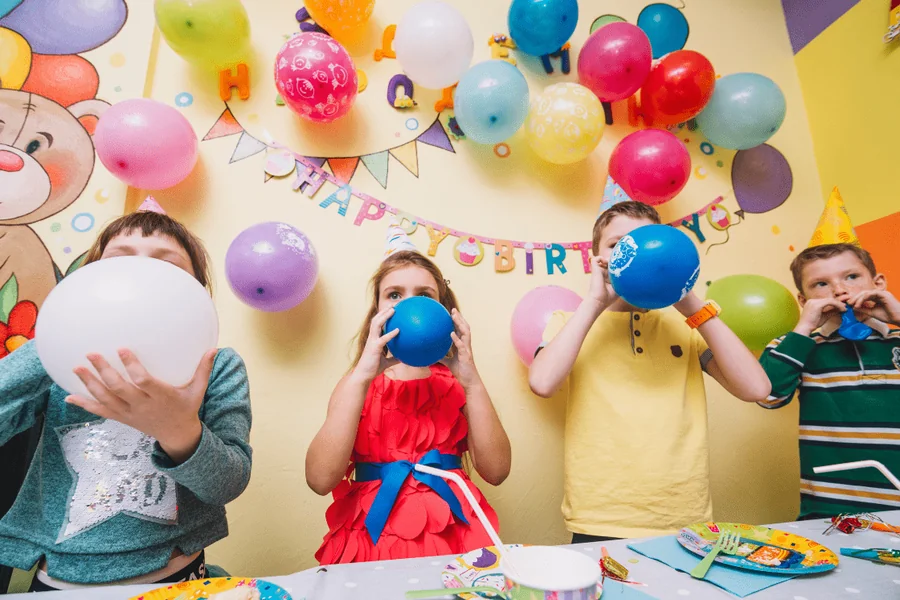
Planning a kids’ birthday party can feel like a daunting task, but with a little organization, creativity, and planning, it can become a fun and memorable event for both children and adults. A successful party balances fun, safety, and structure, allowing kids to enjoy themselves while parents relax. Here’s a step-by-step guide to organizing an unforgettable kids’ birthday party.
1. Decide on the Theme
Choosing a theme early helps streamline the planning process. Themes make decorations, activities, and even food more cohesive and exciting. Popular choices for kids range from classic cartoon characters or superheroes to animals, space, or fairy tales. Consider your child’s interests: some kids prefer a quiet tea party while others dream of a dinosaur adventure.
Once you’ve picked a theme, use it as a guide for invitations, decorations, and party favors. The theme doesn’t have to be elaborate; simple touches like color-coordinated balloons, tableware, and banners can transform a room.
2. Set a Budget
Before you dive into decorations and entertainment, establish a budget. This will help you prioritize spending and avoid last-minute stress. Break your budget into categories such as venue, food, decorations, entertainment, and party favors. For example, if you’re planning a small home party, you may allocate more funds to fun activities rather than venue rental. A clear budget ensures you won’t overspend and lets you plan creatively within limits.
3. Choose the Venue
Where you host the party affects logistics and activities. Hosting at home is convenient and budget-friendly, but public venues like indoor play centers, parks, or community halls can provide more space and entertainment options. If you choose a public venue, check availability, safety measures, and costs. Consider how far guests need to travel and whether there are restroom facilities, parking, and seating for adults.
Outdoor parties, like in a backyard or local park, can be ideal for energetic kids who enjoy running and playing games. Just ensure you have a backup plan in case of bad weather.
4. Create a Guest List and Send Invitations
The number of guests affects your planning, so start by making a list. Consider the child’s age: younger kids usually enjoy smaller, more intimate gatherings, while older children may want to invite a wider circle of friends. Include important information on invitations such as date, time, location, theme, and RSVP instructions.
Digital invitations are convenient and eco-friendly, while printed invitations can match the theme and feel more special. Make sure to send invitations at least 2–3 weeks in advance, giving parents enough time to plan.
5. Plan Age-Appropriate Activities
Entertainment is the heart of a kids’ birthday party. Activities should match the children’s age, abilities, and interests. For younger kids (ages 3–5), simple games like musical chairs, pin the tail on the donkey, or storytime with themed props work well. For older children, consider scavenger hunts, craft stations, or even a magic show. Hiring a professional, like a talented kids magician, can mesmerize children and make the event truly unforgettable. You can also create DIY experiences; for example, a themed obstacle course or a costume contest can be fun and interactive. Always have a mix of active and calm activities to accommodate different energy levels.
6. Organize Food and Drinks
Food is often a highlight for kids, but it also needs planning. Keep the menu simple, kid-friendly, and safe for any dietary restrictions. Popular options include sandwiches, fruit skewers, mini pizzas, and finger foods. Serve drinks in spill-proof cups and consider allergy-friendly alternatives.
The birthday cake is a central feature. It can reflect the party theme, whether it’s a superhero cake, a princess castle, or a simple chocolate cake with sprinkles. Don’t forget to have enough for all guests, and if possible, order or bake in advance to reduce stress on the day.
7. Decorate the Space
Decorations set the mood and bring your theme to life. Balloons, streamers, banners, and tablecloths are classic staples. Consider creating themed zones, such as a play area, a craft table, and a snack station. Personalized touches like the child’s name on banners or themed place cards add a special feel.
DIY decorations can be both fun and cost-effective. For example, making paper garlands, drawing themed signs, or crafting simple centerpieces allows you to involve your child in preparations, giving them a sense of ownership over their party.
8. Prepare Party Favors
Party favors are a nice way to thank guests for attending. These can be small toys, stickers, coloring books, or themed items that match your party. Avoid items that pose a choking hazard for younger children. Packaging favors in small bags or boxes makes them feel like special gifts.
If your party includes games or contests, consider including a prize element. Simple prizes like small toys or candy can make activities more exciting and motivate participation.
9. Set a Timeline
A structured schedule helps the party run smoothly. While kids enjoy spontaneity, having a rough timeline prevents chaos. A typical party timeline could include:
- Welcome and free play (15–20 minutes)
- Group activities or games (30–40 minutes)
- Snack time (15 minutes)
- Main activity, like a craft or entertainment show (30 minutes)
- Cake and singing “Happy Birthday” (15 minutes)
- Gift opening (15–20 minutes)
- Farewell and party favors (10 minutes)
Adjust timing based on age and attention span. Keep transitions smooth to maintain energy and avoid boredom.
10. Safety and Supervision
Safety is paramount. Make sure all play areas are child-friendly, remove hazards, and supervise activities. If you’re hosting outside, ensure the area is secure and children are accounted for. For larger parties, consider enlisting additional adults to help monitor games and supervise transitions.
Also, have a first aid kit on hand and be aware of any allergies, medical conditions, or special needs among your guests. Clear communication with parents helps prevent problems and keeps the environment safe.
11. Capture the Memories
Don’t forget to document the celebration. Photos and videos let you relive the fun and share memories with family and friends. Consider setting up a themed photo booth with props that match your party. Encourage parents to take pictures, but also take a few yourself. You can even turn these memories into thank-you cards for guests.
12. Post-Party Wrap-Up
After the party, involve your child in tidying up. This teaches responsibility and allows them to reflect on the event. Sending thank-you notes, even digital ones, is a thoughtful way to show appreciation to guests.
Reflect on what worked well and what could be improved for future parties. Each celebration is a learning experience, helping you plan even more successful events next time.
Organizing a kids’ birthday party doesn’t have to be stressful. By planning ahead, keeping the child’s interests in mind, and balancing structure with fun, you can create an event that everyone enjoys. From choosing a theme to planning activities and capturing memories, thoughtful preparation ensures a joyful and memorable celebration for your child and their friends. With creativity, organization, and a touch of imagination, any birthday party can become a magical experience.