

Best riddles for kids add happiness, smiling, and addition of curiosity to their day. Even a child can stop pondering, cogitating, and smiling out of a mere riddle. Riddles are also used to develop kids sharply and also enhance their ability to solve problems and the confidence they build in the process of solving answers. They are able to make learning enjoyable and each moment a little lighter.
Kids riddles are also very good at stimulating imagination. Children are also fond of challenges that are playfully challenging, and riddles do the same. They are thought of as a possession to think wittily, excited, and giggle whether you are sharing them at home, in school or during a break. Best riddles for kids assist children in investigating, questioning, and being creative in their learning process.
Why Best Riddles for Kids Matter
Riddles help children grow in ways that feel effortless and enjoyable. The best riddles for kids:
• Spark curiosity and creativity
• Strengthen logical thinking
• Improve memory and focus
• Encourage laughter and positive emotions
• Build confidence as kids guess the answers
• Help kids learn new words and ideas
When kids think through riddles, they learn without feeling pressured. They enjoy the journey of figuring things out.
How Riddles Shape a Child’s Day
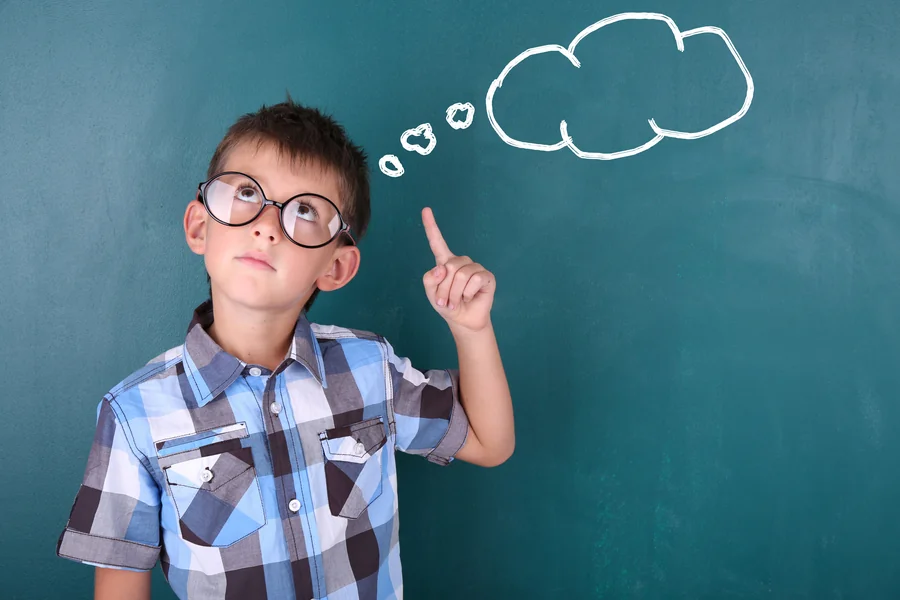
Even more important than being entertaining, the best riddles to use with kids are also thought provoking. When a child listens to a riddle, his/her imagination opens. They start imagining, contemplating, and seeking hints. Riddles make the process of thinking about a game and learning a happy experience.
A child can be cheered up with even a brief riddle in the morning. It assists them in curiosity at the beginning of the day. A puzzle presented in the playing or family time reinforces the connection and communication. These experiences enable children to share their experiences and thoughts, as well as, to have fun learning with one another.
Fun and Easy Riddles for Kids
Here are some simple, playful riddles kids will love to solve:
- What has to be broken before you can use it? (An egg)
- I’m tall when I’m young and short when I’m old. What am I? (A candle)
- What has a face and hands but no arms or legs? (A clock)
- What can you catch but not throw? (A cold)
- What gets wetter the more it dries? (A towel)
- What has a tail but no body? (A coin)
- What has a neck but no head? (A bottle)
- What goes up but never comes down? (Your age)
- What has one eye but can’t see? (A needle)
- What is full of holes but still holds water? (A sponge)
Animal Riddles for Kids
Kids love animals, and these best riddles for kids make learning about creatures’ extra fun:
11. I can hop and I can leap, I have long legs and I don’t sleep. Who am I? (A frog)
12. I have stripes and run fast. I’m black and white. What am I? (A zebra)
13. I live in the ocean and have eight arms. Who am I? (An octopus)
14. I roar loudly and have a golden mane. Who am I? (A lion)
15. I’m small, squeaky, and I love cheese. Who am I? (A mouse)
16. I’m big and gray and have a long trunk. Who am I? (An elephant)
17. I say “quack” and waddle around. Who am I? (A duck)
18. I climb trees and love bananas. Who am I? (A monkey)
19. I have wings and sleep upside down. Who am I? (A bat)
20. I’m furry, I purr, and I love to nap. Who am I? (A cat)
Clever Riddles to Challenge Kids
These riddles help kids think deeply and carefully:
21. What belongs to you but is used more by others? (Your name)
22. What has keys but can’t open doors? (A piano)
23. What runs around a backyard but never moves? (A fence)
24. What has legs but cannot walk? (A table)
25. What can travel around the world while staying in one corner? (A stamp)
26. What has ears but cannot hear? (Corn)
27. What kind of tree can you carry in your hand? (A palm tree)
28. What has a heart but no other organs? (A deck of cards)
29. What has words but never speaks? (A book)
30. What is always in front of you but can’t be seen? (The future)
Funny and Silly Riddles for Kids
These riddles are perfect for causing laughter and silly guesses:
31. What has four wheels and flies? (A garbage truck)
32. Why did the math book look sad? (It had too many problems)
33. What do you call a bear with no teeth? (A gummy bear)
34. What kind of room has no doors or windows? (A mushroom)
35. What do you call cheese that’s not yours? (Nacho cheese)
36. What gets bigger the more you take away? (A hole)
37. Why did the banana go to the doctor? (It wasn’t peeling well)
38. What do you get when you cross a snowman and a vampire? (Frostbite)
39. What has hands but can’t clap? (A clock)
40. Why did the kid bring a ladder to school? (Because they wanted to go to high school)
Short and Simple Riddles for Younger Kids
Perfect for early learners or quick fun:
41. What can you hold without ever touching it? (A conversation)
42. What has a ring but no finger? (A telephone)
43. What is white when dirty and black when clean? (A chalkboard)
44. What goes up and down but never moves? (A staircase)
45. What has teeth but can’t eat? (A comb)
46. What sleeps in a shell and walks slowly? (A snail)
47. What can fill a room but takes up no space? (Light)
48. What has branches but no leaves? (A bank)
49. What is easy to lift but hard to throw? (A feather)
50. What gets bigger the more you share it? (Happiness)
Clearing Misconceptions About Kids’ Riddles
It is believed that riddles are complicated practices that kids are unlikely to follow, yet simple, mischievous and easy to comprehend riddles are the best riddles for kids. Riddles do not require complex concepts and words. They only need imagination. Children of all ages can love the riddles provided they are amusing, pleasant, and suitable to their age.
Read More: Christmas Riddles for Kids to Bring Joy, and Holiday Fun
Building a Riddle Routine for Kids
Part of learning every day or playing around. Share one at morning time, inquire one on the way to school and speak out one before going to sleep. A child can be cheered up on a task in a simple riddle that tests his brain. With time, the riddle should be an aspect of joy and an activity that children anticipate.
Real-Life Benefits of Riddles for Kids
Kids who regularly solve riddles often:
• Think more creatively
• Improve their vocabulary
• Learn patience and focus
• Strengthen memory and reasoning
• Enjoy learning through play
Best riddles for kids make education exciting and help children grow mentally and emotionally.
Conclusion
The best riddles for kids make every day enjoyable, curious, and educative. They cause children to think, laugh and explore and have fun in seeking new answers. These riddles work wonders in building confidence and stimulating creativity whether in a classroom setting, a home setting or during playtime. You can begin to add a riddle into the day of your child, and you will see how his or her imagination and happiness will begin to expand.
FAQs
Are riddles good for kids?
Yes, they help kids think creatively and improve problem-solving skills.
Can riddles improve vocabulary?
Absolutely—kids learn new words while solving them.
What age can kids start solving riddles?
Even preschoolers can enjoy simple riddles with easy clues.
Can I use riddles in the classroom?
Yes, riddles make learning playful and engaging.
Do riddles help shy kids?
Yes, answering riddles can boost confidence and communication.
How many riddles should kids solve daily?
Even one or two riddles a day can boost learning and enjoyment.
Can riddles be shared online?
Yes, kids love sharing riddles with friends and family.