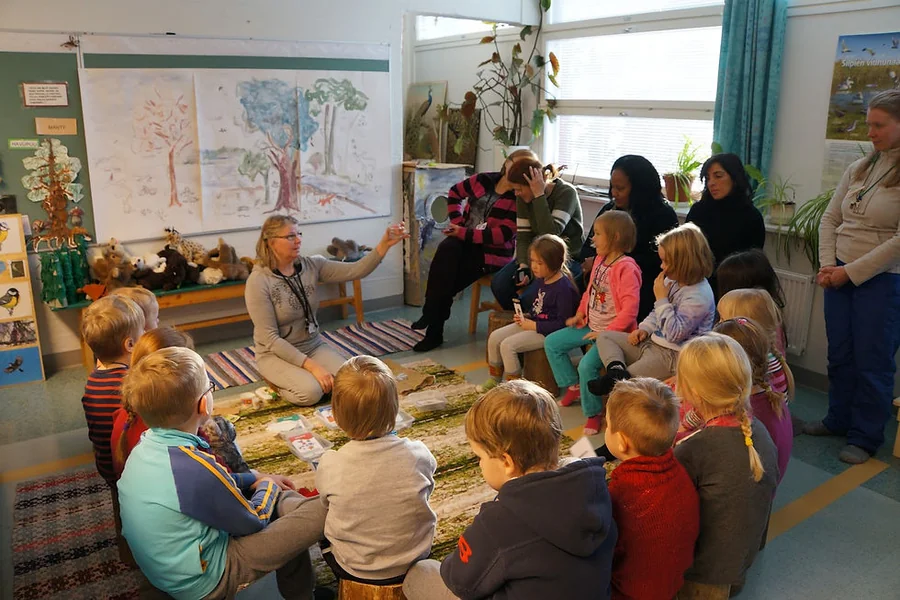
Child development is a complex and dynamic process that encompasses the physical, cognitive, emotional, and social growth of a child from infancy through adolescence. Understanding these developmental stages is essential for parents, educators, and caregivers to provide an environment that nurtures children’s potential and fosters their well-being. By examining child development comprehensively, we can identify the factors that influence growth, the milestones that indicate progress, and the strategies that support healthy development.
Physical Development
Physical development in children refers to the growth and changes in the body and brain, including motor skills, sensory abilities, and overall health. Infancy, from birth to about two years, is characterized by rapid growth. Babies typically triple their birth weight and experience significant brain development during this period. Fine motor skills, such as grasping objects, emerge alongside gross motor skills like crawling and walking. Nutrition, genetics, and physical activity all play critical roles in supporting this growth.
Preschool years, ages three to five, bring refined motor skills. Children can run, jump, and climb with increased coordination, while their fine motor abilities allow them to draw, build blocks, and manipulate small objects. In school-aged children, physical growth continues more steadily, and the development of strength, endurance, and coordination becomes evident. Adolescence marks another period of rapid physical growth, influenced by hormonal changes, including puberty, which impacts height, weight, and sexual maturation.
Cognitive Development
Cognitive development involves the progression of thinking, problem-solving, memory, and language skills. Jean Piaget, a renowned developmental psychologist, outlined stages of cognitive development that remain influential today. Infants and toddlers operate in the sensorimotor stage, learning about the world through their senses and actions. Object permanence—the understanding that objects exist even when not seen—is a critical milestone during this phase.
Between ages two and seven, children enter the preoperational stage, characterized by symbolic thinking, imagination, and language development. However, they often struggle with logical reasoning and understanding other perspectives. Concrete operational thinking, which emerges around ages seven to eleven, allows children to reason logically about tangible events and grasp concepts such as conservation and cause-and-effect. Finally, the formal operational stage, beginning in adolescence, enables abstract thinking, hypothetical reasoning, and problem-solving at a higher cognitive level.
Language development is a central aspect of cognitive growth. Infants start by cooing and babbling, gradually progressing to single words and complex sentences. By preschool age, children typically have a vocabulary of thousands of words, and they continue to refine grammar, comprehension, and conversational skills throughout adolescence. Encouraging reading, storytelling, and active communication helps strengthen these cognitive abilities.
Emotional and Social Development
Emotional and social development involves understanding and managing emotions, forming relationships, and learning social norms. Early attachment between a child and caregiver lays the foundation for emotional security and healthy relationships. Psychologist John Bowlby emphasized the importance of secure attachments, noting that children who feel safe with caregivers are more likely to explore their environment confidently and develop positive self-esteem.
During toddlerhood, children experience intense emotions and begin learning to express them appropriately. Preschoolers develop empathy, cooperation, and social problem-solving skills, which are crucial for peer interactions and forming friendships. School-aged children refine these skills, learning to navigate social hierarchies, handle conflicts, and develop a sense of morality.
Adolescence is a particularly challenging period for emotional and social development. Teenagers seek independence, establish identity, and form deeper peer relationships. Social media, cultural influences, and peer pressure can significantly impact self-esteem, emotional regulation, and social skills. Providing guidance, modeling healthy behavior, and fostering open communication are essential during this stage to support adolescents’ emotional resilience.
Influences on Child Development
Child development is influenced by a combination of genetic, environmental, and cultural factors. Genetics play a role in physical traits, temperament, and potential cognitive abilities. However, environmental factors such as family dynamics, socioeconomic status, education, nutrition, and exposure to stress or trauma profoundly shape development outcomes.
Early childhood experiences are particularly influential. Positive experiences, including responsive caregiving, safe environments, and stimulating activities, promote healthy brain development and lifelong learning. Conversely, adverse experiences like neglect, abuse, or chronic stress can negatively impact emotional regulation, cognitive functioning, and social behavior. Interventions such as early childhood education programs, counseling, and supportive community resources can mitigate these risks.
Culture also shapes child development by influencing values, parenting styles, and expectations. For example, some cultures emphasize collectivism and interdependence, while others prioritize independence and self-expression. Understanding cultural context helps caregivers and educators support children’s development in ways that respect their background and identity.
The Role of Play in Development
Play is a fundamental component of child development. Through play, children explore their environment, develop motor skills, practice problem-solving, and learn social norms. Unstructured play, such as imaginative or pretend play, encourages creativity, emotional expression, and self-regulation. Structured play, including sports, games, and educational activities, fosters cooperation, discipline, and cognitive skills.
For infants, sensory play helps develop motor skills and brain connections. Toddlers engage in exploratory play, testing boundaries and learning cause-and-effect relationships. Preschoolers often participate in cooperative play, practicing communication and social skills. Adolescents benefit from recreational activities and hobbies that promote physical health, teamwork, and emotional well-being.
Supporting Healthy Development
Parents, caregivers, and educators play a vital role in supporting healthy child development. Strategies include:
- Providing a Nurturing Environment: Responsive caregiving, emotional support, and positive reinforcement build secure attachment and self-esteem.
- Encouraging Learning and Exploration: Reading, educational games, and hands-on experiences stimulate cognitive growth.
- Promoting Physical Activity and Nutrition: Balanced nutrition, regular exercise, and sufficient sleep support physical and brain development.
- Modeling Emotional Regulation: Demonstrating healthy coping strategies and encouraging expression of feelings helps children manage emotions.
- Fostering Social Skills: Opportunities for interaction with peers and adults teach cooperation, empathy, and conflict resolution.
- Respecting Individual Differences: Recognizing each child’s unique temperament, learning style, and cultural background ensures tailored support.
Additionally, enrolling children in high-quality childcare centres Sydney can provide a structured and stimulating environment that complements home learning and supports emotional, social, and cognitive growth.
Challenges and Modern Considerations
In today’s digital era, child development faces new challenges and opportunities. Screen time, social media, and technology-based learning can provide educational benefits but also present risks to attention, sleep, and social interactions. Parents and educators need to establish balanced guidelines and encourage face-to-face interactions to maintain social and emotional health.
Mental health is another critical concern. Anxiety, depression, and behavioral disorders are increasingly recognized in children and adolescents. Early identification, supportive interventions, and collaboration with mental health professionals are essential to prevent long-term consequences and promote well-being.
Finally, inclusive education and awareness of developmental disorders, such as autism spectrum disorder or attention-deficit/hyperactivity disorder (ADHD), help ensure that all children receive the support they need to thrive. Early diagnosis and individualized support can significantly enhance outcomes for children with diverse developmental needs.
Conclusion
Child development is a multidimensional and continuous process that shapes the future of individuals and societies. Physical, cognitive, emotional, and social growth are interconnected, influenced by genetics, environment, culture, and early experiences. Understanding developmental milestones and providing nurturing, stimulating, and supportive environments are essential for helping children reach their full potential.
By fostering healthy development, promoting learning and creativity, supporting emotional well-being, and encouraging social skills, caregivers can empower children to navigate life with resilience, curiosity, and confidence. Recognizing the unique needs and strengths of each child ensures that every child has the opportunity to thrive in a rapidly changing world.