
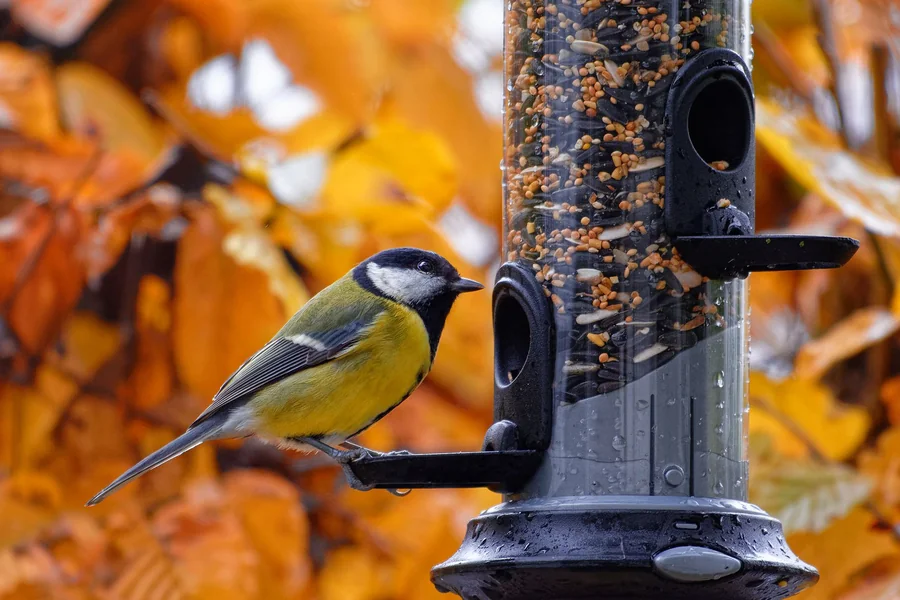
Bird feeders are a delightful addition to any garden, attracting a variety of birds and providing them with much-needed nourishment. However, they can also become a magnet for unwanted pests such as squirrels, raccoons, and insects. These pests not only consume the birdseed but can also cause damage to the feeders and surrounding areas. Fortunately, there are effective strategies to deter these intruders without having to remove the feeders altogether. By implementing a few simple measures, you can maintain a peaceful environment for your feathered friends while keeping pests at bay.
Effective Strategies for Pest Prevention
Choose the Right Location
The placement of your bird feeder plays a crucial role in minimizing pest problems. Positioning the feeder away from trees, fences, or structures that pests can use to jump onto the feeder is essential. Ideally, place the feeder at least ten feet away from such launching points. Additionally, consider hanging the feeder on a pole with a baffle, which is a dome-shaped barrier that prevents pests from climbing up. The baffle should be placed at least four feet above the ground to deter ground-dwelling pests. By carefully selecting the location, you can significantly reduce the likelihood of pests accessing the feeder.
Use Pest-Resistant Feeders
Investing in pest-resistant bird feeders can be an effective way to keep unwanted visitors at bay. These feeders are designed with features that make it difficult for pests to access the birdseed. For instance, weight-activated feeders close off access to the seed when a heavier animal, such as a squirrel, lands on them. Some feeders have cages around them that allow only small birds to enter. Additionally, using feeders made of metal or hard plastic can prevent damage from chewing pests. By choosing the right feeder, you can ensure that the birds get their food while pests are kept out.
Maintain a Clean Feeding Area
Keeping the area around your bird feeder clean is crucial for pest control. Regularly remove any spilled seeds or debris that may attract pests. Consider placing a tray beneath the feeder to catch any falling seeds, making it easier to clean up. Additionally, avoid overfilling the feeder, as excess seed can spill onto the ground and attract pests. Cleaning the feeder itself on a regular basis is also important to prevent mold and bacteria, which can attract insects. By maintaining a tidy feeding area, you can discourage pests from lingering around your bird feeder.
Implement Natural Deterrents
Natural deterrents can be an effective way to keep pests away from your bird feeders. For instance, sprinkling cayenne pepper or chili powder on the birdseed can deter squirrels and other mammals without harming the birds. Birds are not affected by the spice, but pests find it unappealing. Another option is to use safflower seeds, which are less attractive to squirrels and raccoons but still enjoyed by many bird species. Additionally, planting pest-repelling plants such as lavender or mint around the feeder area can help keep insects at bay. These natural methods can provide a safe and non-toxic way to manage pests.
Monitor and Adjust
Regular monitoring of your bird feeder setup is essential to ensure that your pest prevention strategies are effective. Observe the feeder area for any signs of pest activity and make adjustments as needed. If you notice that pests are still accessing the feeder, consider trying different deterrents or repositioning the feeder. It’s important to remain flexible and willing to experiment with various methods until you find the most effective solution for your specific situation. By staying vigilant and proactive, you can maintain a pest-free environment around your bird feeders.
Conclusion
Preventing pests around bird feeders without removing them is achievable with the right strategies. By carefully choosing the location, using pest-resistant feeders, maintaining cleanliness, and implementing natural deterrents, you can create a welcoming space for birds while keeping pests at bay. Regular monitoring and adjustments will ensure that your efforts remain effective over time. With these measures in place, you can enjoy the beauty of birdwatching without the nuisance of unwanted pests.