
Planning For Safety Before You Leave The Dock
Stepping onto a yacht for a day on the water can feel effortless, but a genuinely relaxed outing starts with careful preparation. Before lines are cast off, skippers and guests alike should understand where critical equipment is stored and how it works. A short safety briefing covering life jackets, fire extinguishers, first-aid kits, and emergency communication tools helps ensure everyone can respond calmly if something unexpected happens. Many experienced boaters also keep a written or digital pre-departure checklist to review items such as fuel levels, navigation lights, and weather forecasts. Taking a few minutes for this preparation may feel routine, yet it significantly reduces stress once the yacht is underway. Good planning also includes considering the mix of guests onboard, such as children or less confident swimmers, and adapting safety arrangements accordingly.
Personal Safety Equipment Every Yacht Should Carry
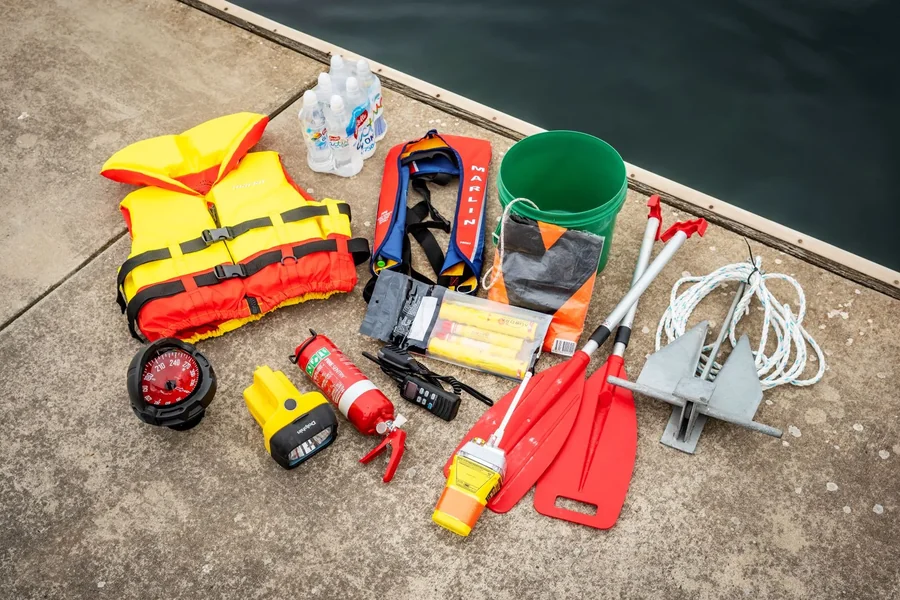
Personal safety equipment forms the core of any well-prepared yacht, and it extends beyond the obvious requirement for life jackets. Each person on board should have an appropriately sized life jacket that is in good condition and readily accessible, not buried under gear. For added security, many skippers now favour jackets with integrated harnesses and crotch straps, particularly in offshore or night-time conditions. It is equally important to have throwable flotation devices and, where relevant, harness tethers to keep crew attached to the boat in rough seas. To support these essentials, owners often assemble small personal kits that include a whistle, a compact waterproof torch, and a chemical light stick. In higher-risk environments or for longer passages, personal locator beacons can provide an additional layer of safety and peace of mind. When guests feel confident that this level of preparation is in place, the overall atmosphere on board becomes noticeably more relaxed.
Onboard Equipment That Keeps Navigation And Emergencies Under Control
Beyond personal safety gear, a yacht relies on a set of core systems to navigate safely and respond effectively to incidents. Reliable communication is vital, so a fixed VHF radio, backed up by a charged handheld unit, allows contact with nearby vessels and coastal authorities. Navigation tools such as GPS plotters, paper charts, and depth sounders help avoid groundings and unexpected hazards, while radar is highly valuable in poor visibility. Fire extinguishers suitable for different fuel and electrical risks should be placed in accessible locations, alongside fire blankets in the galley area. A comprehensive, well-organised first-aid kit allows minor injuries to be treated onboard and buys time in more serious situations. Many yacht owners also carry spare fuses, basic tools, and essential engine consumables to resolve common technical problems without cutting the trip short. When these systems are checked regularly and clearly labelled, dealing with difficulties becomes a manageable task rather than a source of anxiety.
Comfort-Focused Accessories That Quietly Enhance Safety
Some of the most valuable items on a yacht do not look like safety gear at all, yet they significantly reduce fatigue, slips, and small accidents. Non-slip deck shoes, shaded seating, and handholds placed where people naturally move all contribute to a calmer, steadier experience at sea. Simple accessories such as dry bags, clip-on water bottles, and sun-protective clothing help guests stay hydrated and comfortable, which in turn supports better decision-making. Owners increasingly look for ways to tailor the onboard environment to different groups, whether that means additional child-friendly equipment or upgraded galley tools for longer stays. Curated collections from specialists make this process easier by bringing together practical and aesthetic elements, as seen when you click here for yacht inflatables. Useful accessories also include compact binoculars for watch-keeping, soft storage solutions that prevent loose items becoming trip hazards, and deck-friendly tableware that will not shatter. By focusing on comfort alongside traditional safety gear, yacht outings become smoother, more enjoyable occasions for everyone on board.
Practical Checklists And Habits For Stress-Free Outings
Even the best equipment only works when paired with good habits, and many experienced skippers rely on simple routines to keep outings stress-free. Before each departure, a quick walk-through of the vessel to confirm hatches are secure, lifelines are clear, and safety gear is accessible can prevent problems later in the day. During the trip, assigning informal roles such as a designated radio watcher or a person responsible for checking lines at anchor spreads responsibility without making the day feel formal. Short refreshers on how to use life jackets, radios, and man-overboard procedures can be integrated naturally while cruising or at anchor. Many crews find value in maintaining a small log noting weather, route decisions, and any minor issues for review after the voyage. Useful habits like stowing loose items promptly, encouraging regular hydration, and monitoring changing conditions become second nature over time. With these routines in place, safety becomes woven into the day rather than standing apart from the pleasure of being on the water.